Why AI Keeps Changing Things You Didn't Ask It To
 The Idori team
·
·
4 min read
The Idori team
·
·
4 min read
Generative AI is naturally good at changing things. Interior design tools also need to get very good at preserving them.
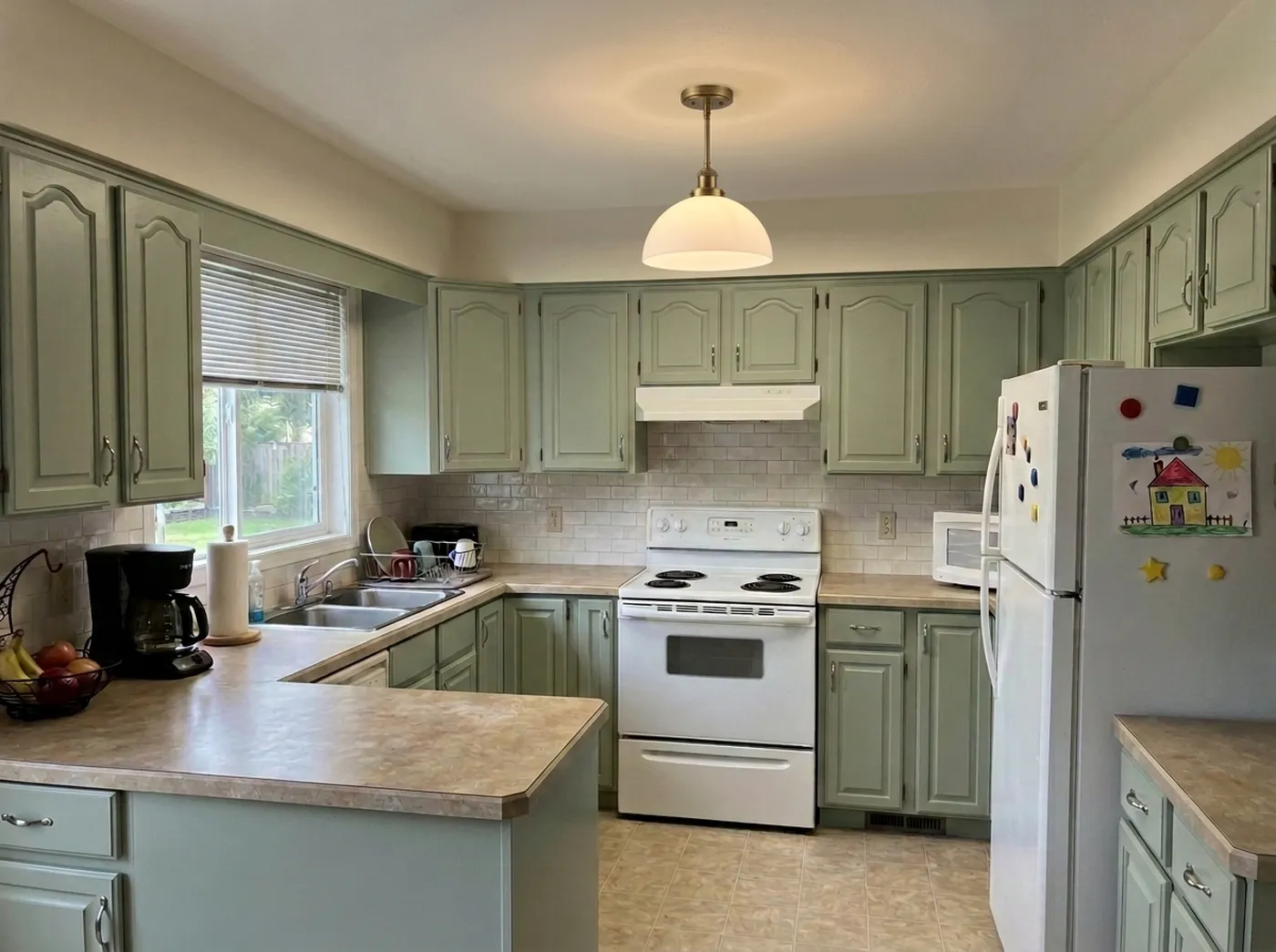
You ask an AI interior design tool to change the backsplash. It changes the backsplash. It also changes the cabinets. Then the countertop. Then the stools. Sometimes the lighting. Maybe the window looks slightly different too.
You got a new backsplash. You also got a different room.
This is one of the most frustrating problems in AI remodeling. It is also one of the problems that shaped how we built Idori.
Generation and editing are different problems
Generative AI is designed to create. Give it an image and an instruction, and the model tries to produce a new image that satisfies the request. That is incredibly powerful.
But when you are working on your own home, creating something plausible is not enough. You often need the result to preserve very specific details. The sofa you already own. The flooring you just installed. The layout that works perfectly. The windows. The cabinetry. The object that gives the room character. The little detail nobody else notices but you care about.
A useful remodeling tool has to understand two things at once. What should change? And what must stay the same?
The second question is easy to underestimate.
Preservation is part of design
When people think about remodeling, they naturally focus on transformation. New furniture. New materials. New colors. New layouts.
But a real home is rarely a blank canvas. Most people already like something about the room they are changing. Sometimes they like most of it. They may only want to fix one part.
That means preservation is not a technical detail. It is part of the design brief. If you love your flooring, keeping your flooring is a design decision. If the room layout works, preserving the layout is a design decision. If a chair has sentimental value, keeping the chair is a design decision.
The product should treat those choices with the same importance as the changes you request.
We built Spot Edit around that idea
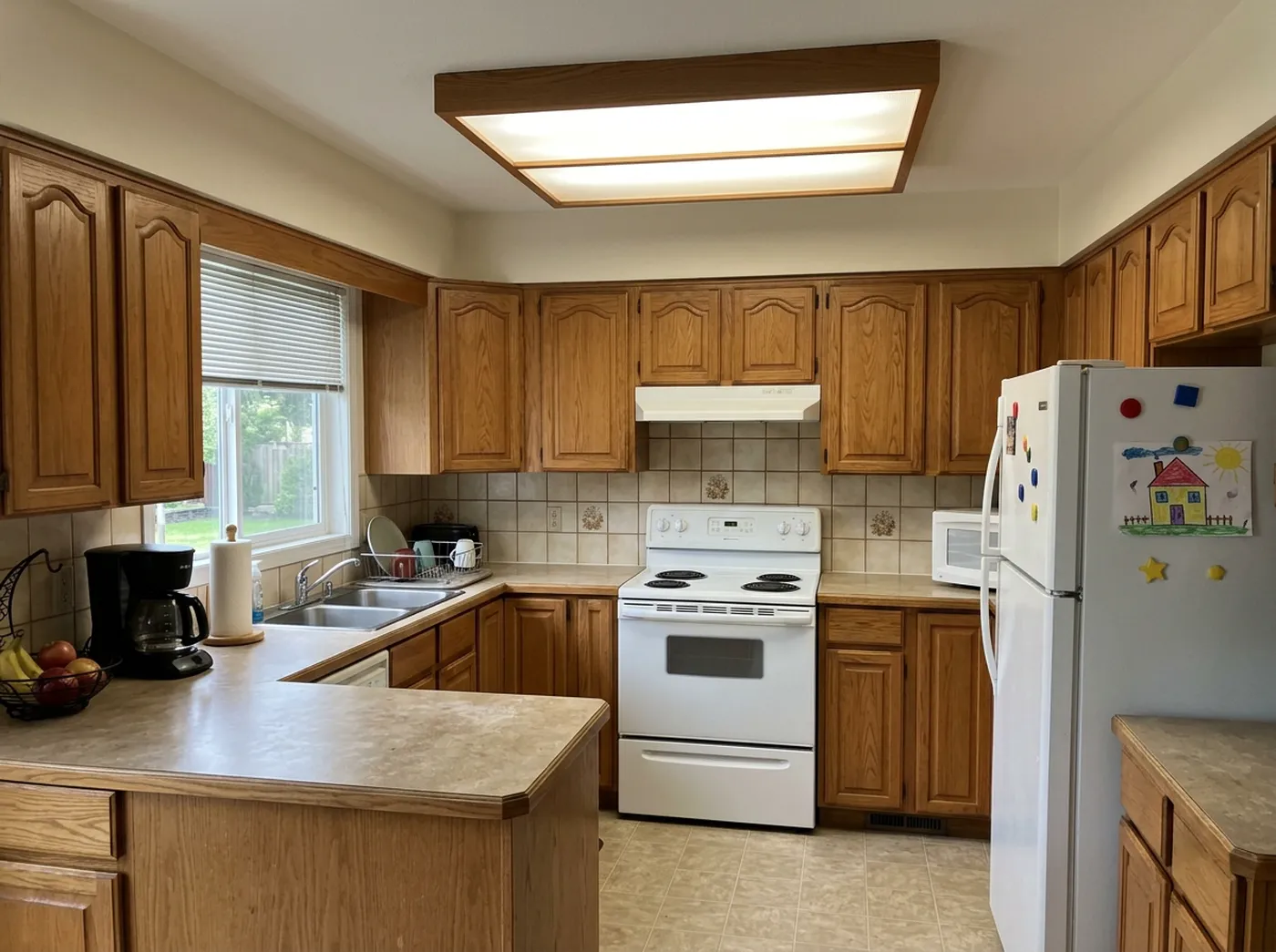
Spot Edit lets you pin a specific area in your room and tell Idori what you want to change. You can describe the desired result in words. You can also add reference images when a visual example communicates the idea better.
But the most important part is the constraint:
Only what you pin changes.
 @3
Replace
@3
Replace
The intention is simple. If you ask to change one part of the room, the rest of the space should remain your room.
This sounds obvious. In generative AI, getting it right takes work.
 Before
After
Before
After
Control matters more as AI gets more capable
There is an interesting paradox in AI products. As the models become more capable, giving users strong controls becomes more important, not less.
A weak model cannot do very much. A powerful model can transform almost anything. That means mistakes become more consequential. If a model has the power to redesign the entire room, the product needs a way for the user to say: "Not that. Leave that alone."
We think this will matter far beyond interior design. The future of creative AI is not simply more generation. It is better collaboration between the user's intent and the model's capabilities. The AI should understand where it has freedom. It should also understand where it does not.
Precision makes iteration useful
Spot Edit is especially useful when you already have a version that is close. Maybe AI Ideas gave you a direction you love. You used Freeform Prompt to refine the overall mood. Now the room is 90 percent there.
At that point, generating a completely new room is usually the wrong interaction. You do not need another concept. You need precision. Maybe the rug should change. Maybe one wall needs a different finish. Maybe a cabinet color is slightly off.
That is where targeted editing becomes important. The closer you get to your vision, the smaller your desired changes often become. Your tools should adapt accordingly.
Your home is not disposable context
A room contains choices you have already made. Some intentional. Some practical. Some emotional.
When an AI tool treats every generation as permission to reinterpret everything, it ignores that history. We think the opposite approach is more useful.
Start with the user's room. Understand what they want to explore. Give them ways to control the scope of a change. Preserve what they care about. Keep every result as a version so experimentation does not erase the path that came before it.
That is a very different relationship between AI and the user. It does not ask, "What can the model change?" It asks, "What did the user ask us to change?"
That is the standard we want to keep pushing toward.
Change one thing, keep everything else
Use Spot Edit in Idori, the app that designs your room from a photo, when you want to change one thing without redesigning everything else.
Try Idori free